We are at the beginning of some interesting changes.
The line between technology and art has always been blurred, and never more so than in the age of Artificial Intelligence (AI). Artists are adopting new AI-based techniques to create works of art that make us question the traditional distinctions between humanity and technology. In this blog post, we’ll take a closer look at this fascinating world to explore how AI is being used in art, interesting case studies, ethical and legal issues, as well as the main tools and future possibilities.
Art has always evolved alongside technology. From primitive pigments to digital manipulation, each new advancement has allowed artists to explore new forms of expression. The debate over technological innovations in the art world is nothing new; it has happened before, such as with the advent of photography, which was once said to spell the end of painting.
As early as the 1960s, artists were experimenting with algorithms and computer programs to create works of art. In recent years, however, AI has emerged exponentially as a powerful new tool, opening up a world of unexplored possibilities.
Artists and Machines.
Some notable examples show us how this technology has been explored for a long time, even before it became the trend it is today.
Obvious: This France-based artist collective created «Portrait of Edmond de Belamy,» an AI-generated painting that sold at Christie’s for a staggering $432,500 in 2018. The work was produced using a type of algorithm known as a GAN (Generative Adversarial Network), which «learns» from a database of paintings and then creates new images.
Robbie Barrat: An artist and programmer, Barrat has become famous for his innovative AI-driven works, which range from painting to music. His art is a fascinating blend of traditional and digital aesthetics, exploring how AI can generate and recreate artistic styles. You can view his fascinating work at: https://robbiebarrat.github.io/
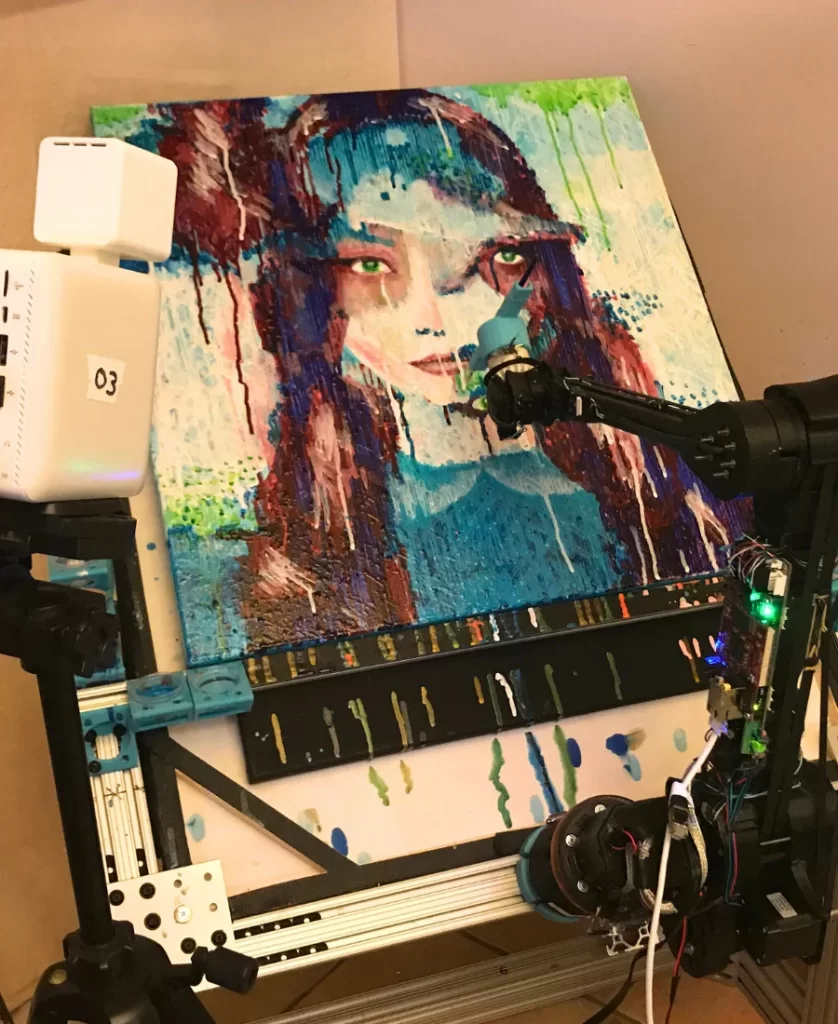
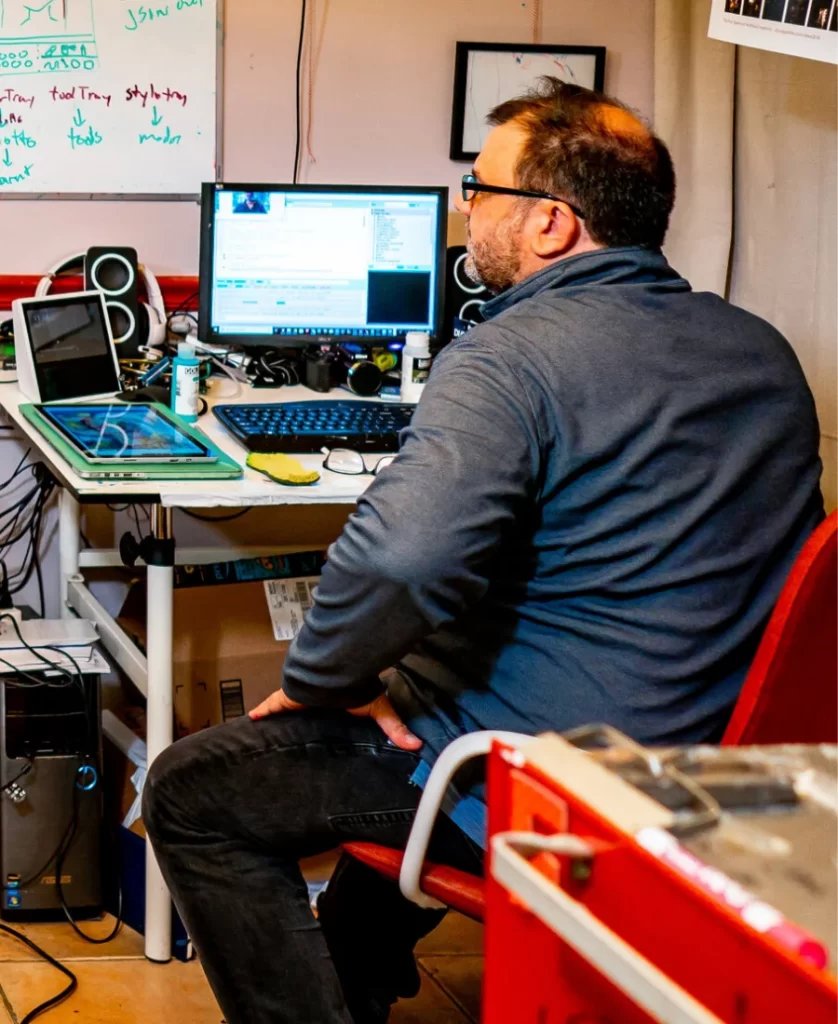
Pindar Van Arman: This artist and developer has been creating robots that can paint for over 15 years, using AI to make creative decisions about what and how to paint. His work raises interesting questions about creativity and authenticity in art and has evolved incredibly over the years. You can learn more about his work on his website: https://www.cloudpainter.com/
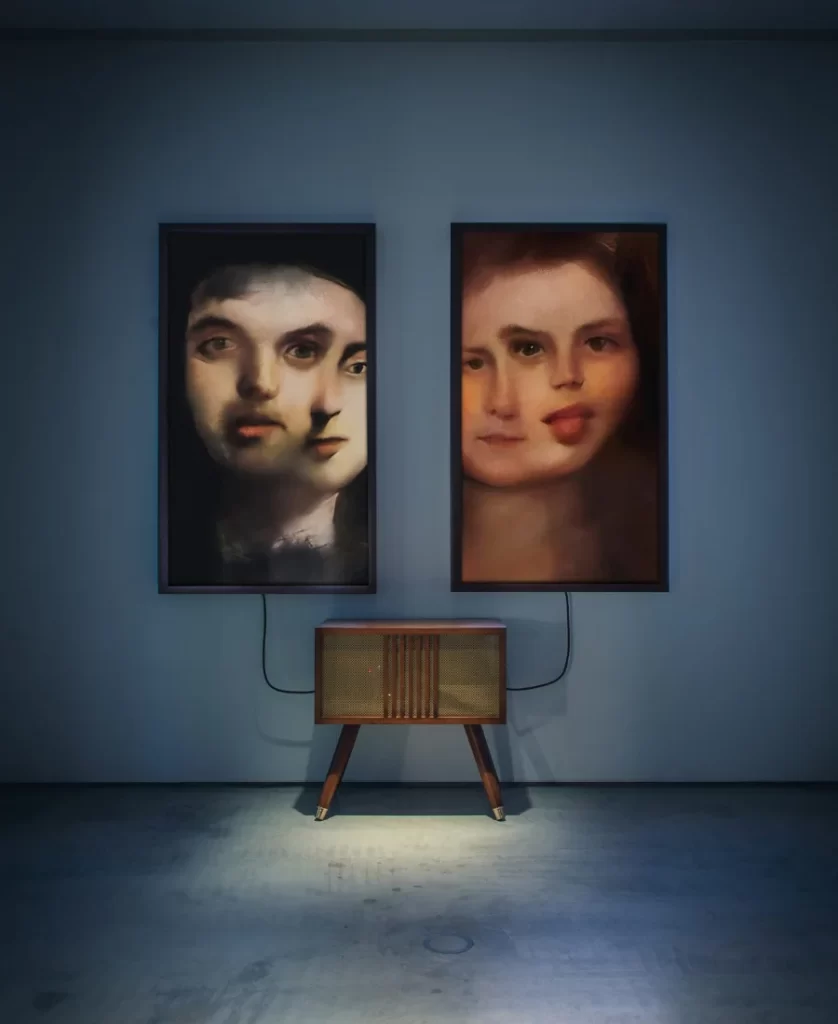
Mario Klinge-mann: A German artist who is widely recognized in the field of AI-driven art. He led the «Botto» experiment—an algorithmic artist that uses AI to generate interactive and personalized art and produces hundreds of works. Users can influence the type of art Botto creates by participating in the AI’s training through voting, allowing them to be part of the creative process. This experiment was developed by an international collective of engineers and creatives, led by Mario, who has received numerous international accolades for his AI-based artistic work. You can see much more of his incredible work on his own artist website: http://quasimondo.com/
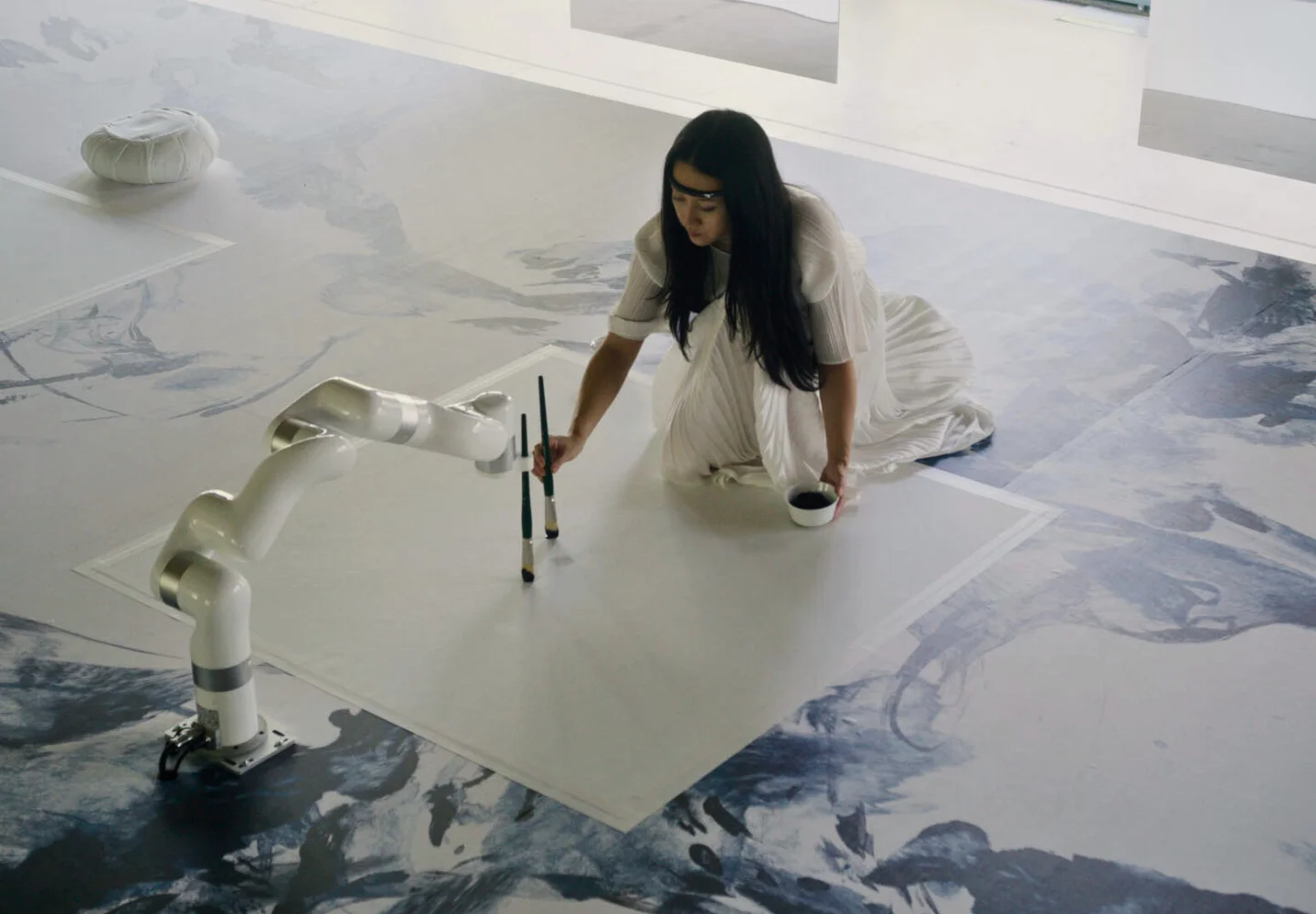
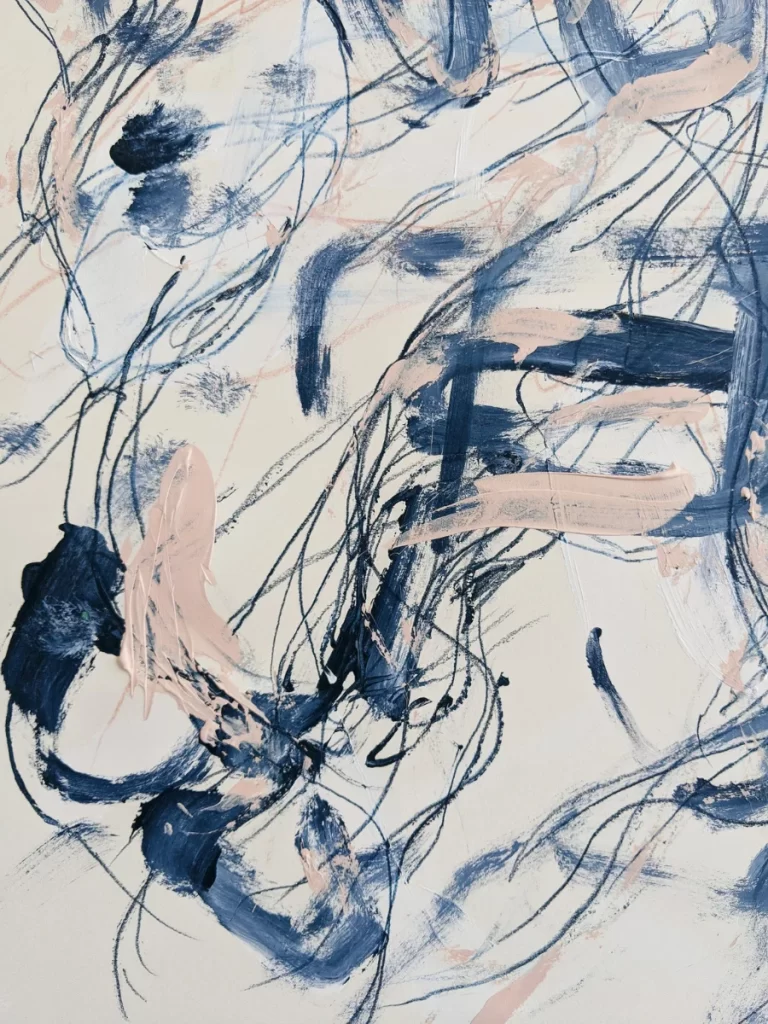
Sougwen Chung: A Chinese-Canadian artist and researcher, Chung collaborates with AI-powered robots to create stunning works of art that explore the relationship between humans and machines. She is a multidisciplinary artist who has undertaken various fascinating projects that delve deeply into this relationship, and through her research, she offers a fresh perspective on creativity and new technologies as a medium. Her research has earned her numerous international awards. You can view her current projects and learn more about her work on her beautiful website: https://sougwen.com/
Ethical Issues
The use of AI in art could raise ethical questions. Who is the true author of a work of art created by AI: the programmer, the machine, or both? How should copyright be handled? What happens if AI generates a work of art similar to an existing one? However, these questions will gradually be resolved as we move forward with the use of these new technologies—their development will be unstoppable—so it’s simply a matter of establishing clear rules and thinking beyond the anecdotal.
So far, the law has failed to keep pace with the evolution of AI in terms of authorship and copyright. Current legislation is not prepared to attribute authorship of a work of art to an AI. However, we are beginning to see a shift. Globally, there is a growing recognition that intellectual property laws must evolve to address the issues raised by AI-generated art. But until that happens, we remain in a legal gray area.
Growth Opportunities
The potential for growth in the field of AI art is enormous. As technology advances, new forms of expression emerge, along with new questions about what it means to be an artist. The future of AI art may bring closer collaborations between artists and machines, greater personalization of art, and, possibly, a redefinition of what we consider art.
In conclusion, AI is changing the way we create and experience art, opening up new avenues for artistic exploration and raising fascinating questions about the relationship between technology and creativity. Although there are ethical and legal challenges to overcome, the potential for innovation is immense. AI art invites us to reflect on what it means to be human in the digital age, and in the process, it can help us better understand ourselves and the world we live in.
The use of artificial intelligence in art is here to stay and is becoming an integral part of the global art scene. Are you ready to embark on this exciting journey with us? Don't miss the opportunity to be part of this artistic revolution.